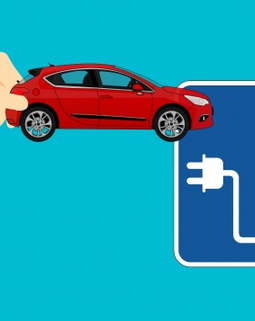

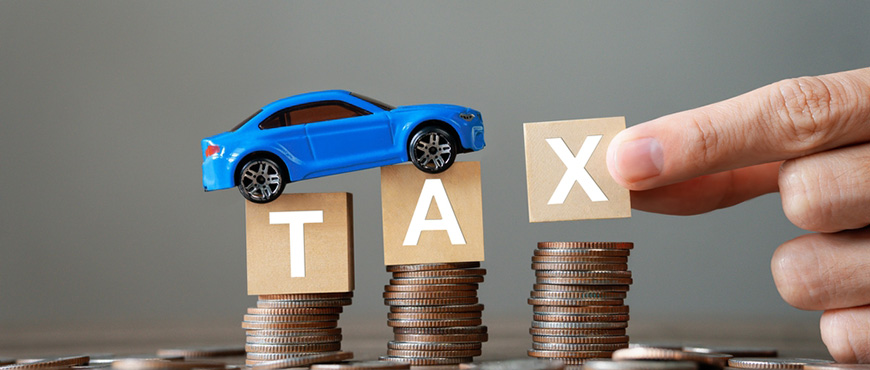
The Fiji government is evaluating a package of EV tax cuts for 2025 aimed at making electric vehicles more affordable and attractive to households and businesses. Under discussion are reductions in import duties, exemptions from registration surcharges, and lower road taxes for qualifying models — measures designed to complement broader Fiji EV policy goals and speed a transition toward cleaner mobility.
How proposed EV tax cuts would work
Direct incentives and import relief
Policymakers are considering targeted import relief to lower upfront prices, which is central to the EV tax cuts plan. Easing tariffs on fully electric cars and parts would reduce retail costs and encourage legitimate dealers to expand stock, addressing limitations in EV imports Fiji that currently restrict variety and availability.
Charging support and infrastructure alignment
The success of EV tax cuts depends on parallel investments in public charging. Proposed measures include grants and tax credits to build fast chargers in Suva and regional hubs, linking incentives to an expanded EV charging Fiji network so new buyers aren’t discouraged by range anxiety.
Economic and social rationale for EV tax cuts
Lower lifetime costs for owners
One argument for EV tax cuts is the lower total cost of ownership: fewer fuel expenses, simpler maintenance, and longer drivetrain warranties. For many households, reduced registration or import taxes can tip the balance between buying a used petrol car and a new, efficient electric model.
Jobs, industry and sustainable transport
By tying incentives to local services — technician training, charging station construction, and battery servicing — EV tax cuts can stimulate new business activity. This dovetails with national aims for sustainable transport Fiji, creating green jobs while deleting fossil fuel dependence over time.
Challenges and design choices for successful EV tax cuts
Fiscal balance and fairness
Designing EV tax cuts requires balancing revenue impacts with public benefit. Policymakers must avoid overly generous breaks that strain budgets while ensuring incentives are accessible to lower-income buyers, not just luxury buyers who would purchase EVs regardless.
Complementary measures: standards and recycling
Tax relief alone won’t suffice. Effective EV tax cuts should be paired with vehicle standards, battery recycling plans, and consumer protections to ensure long-term sustainability and prevent an influx of low-quality imports that undermine confidence.
Path forward: pilot programs and phased rollout
A prudent approach to EV tax cuts is phased implementation: start with fleet incentives for taxis and government vehicles, expand charging co-funding, and later broaden consumer-facing tax exemptions as infrastructure matures. Monitoring uptake and adjusting rates will help maximize impact without destabilizing public finances.
For buyers and fleet managers comparing options under potential new incentives, portals like Asia Car Group’s portal can help locate suitable electric models and plan purchases in a changing policy environment.
Would lower taxes convince you to choose an EV in Fiji? Share your thoughts—price, charging, or model worries—drop a comment and tell us what incentive would tip you toward going electric!